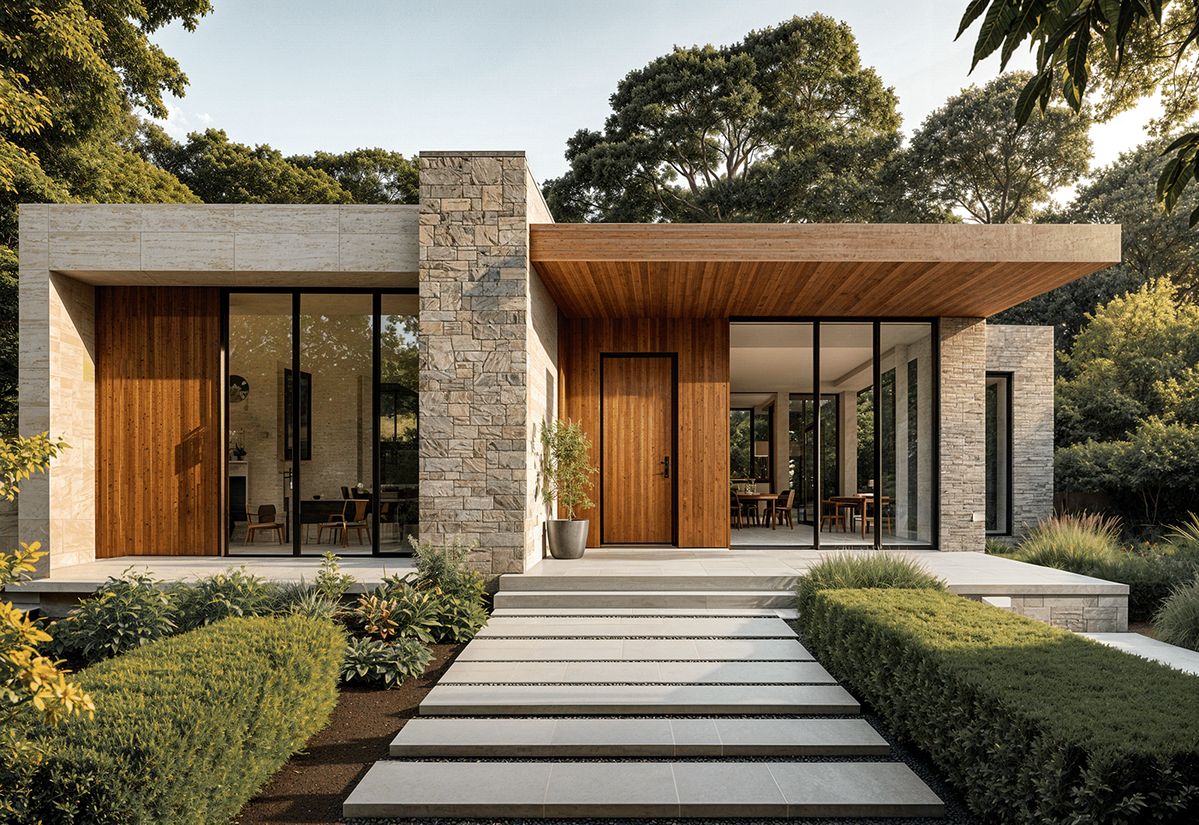
The asking price is one part of the conversation, not the conclusion. A useful offer strategy starts by separating the seller’s positioning from the evidence a buyer can evaluate.
Why asking price and market value are not the same thing
A listing price is a marketing decision. It may be set near recent comparable sales, below them to attract attention, or above them to test the market. None of those approaches automatically tells you what the property is worth to the market—or to you.
Market value is not a single permanent number. It is a range informed by the most relevant recent sales, current alternatives, property condition, location, timing and the strength of real buyer competition. Your offer also has to respect your financing, monthly comfort and walk-away point.
Start with the closest comparable sales
The strongest comparables are recent, nearby and genuinely similar. Property type, size, lot, renovation level, parking, exposure and micro-location can matter more than a broad neighbourhood average.
A detached home beside a busy road should not be treated as identical to one on a quiet interior street. A renovated condominium with a strong view may not be comparable to an original-condition suite in the same building. The useful question is not ‘What did homes sell for?’ It is ‘What did the closest alternatives sell for, and how is this property different?’
- Prioritize recent sales over old peak prices.
- Adjust for condition and meaningful physical differences.
- Look at competing active listings to understand the buyer’s alternatives.
- Separate list price from sold price when reviewing the evidence.
Read condition as a cost and a risk
Visible finishes are only part of condition. Roof, windows, mechanical systems, moisture, electrical work, condominium status documents and the quality of renovations can change both the near-term cost and the uncertainty a buyer accepts.
The purpose of due diligence is not to make every home risk-free. It is to understand which risks are present, what professional review is appropriate and whether the price leaves room for the work or uncertainty involved.
Competition changes strategy, not your limits
Real competition may affect price, conditions and timing. It should not erase the number where the purchase stops working for your life. Decide that boundary before the offer becomes emotional.
When competition is unclear, avoid negotiating against assumptions. Confirm the process, compare the alternatives and decide which terms matter. A clean offer can be attractive, but conditions should only be adjusted with the appropriate legal, financing and inspection advice.
Build an offer range before choosing one number
A range is often more useful than a single guess. The lower end can reflect a defensible opening based on the evidence. The upper end should reflect the strongest number the property supports and the maximum that remains comfortable for the buyer.
The final offer then becomes a strategic choice inside a prepared range—not a reaction to the listing headline or the emotion of offer night.
This article provides general real-estate education, not mortgage, legal, tax, immigration or investment advice. Rules and programs change; verify decisions with the appropriate qualified professional.